MANILA, Philippines — Residents in parts of the Philippines are being advised to remain alert as haze from forest and peat fires in Indonesia continues to affect air quality in some areas of the country.
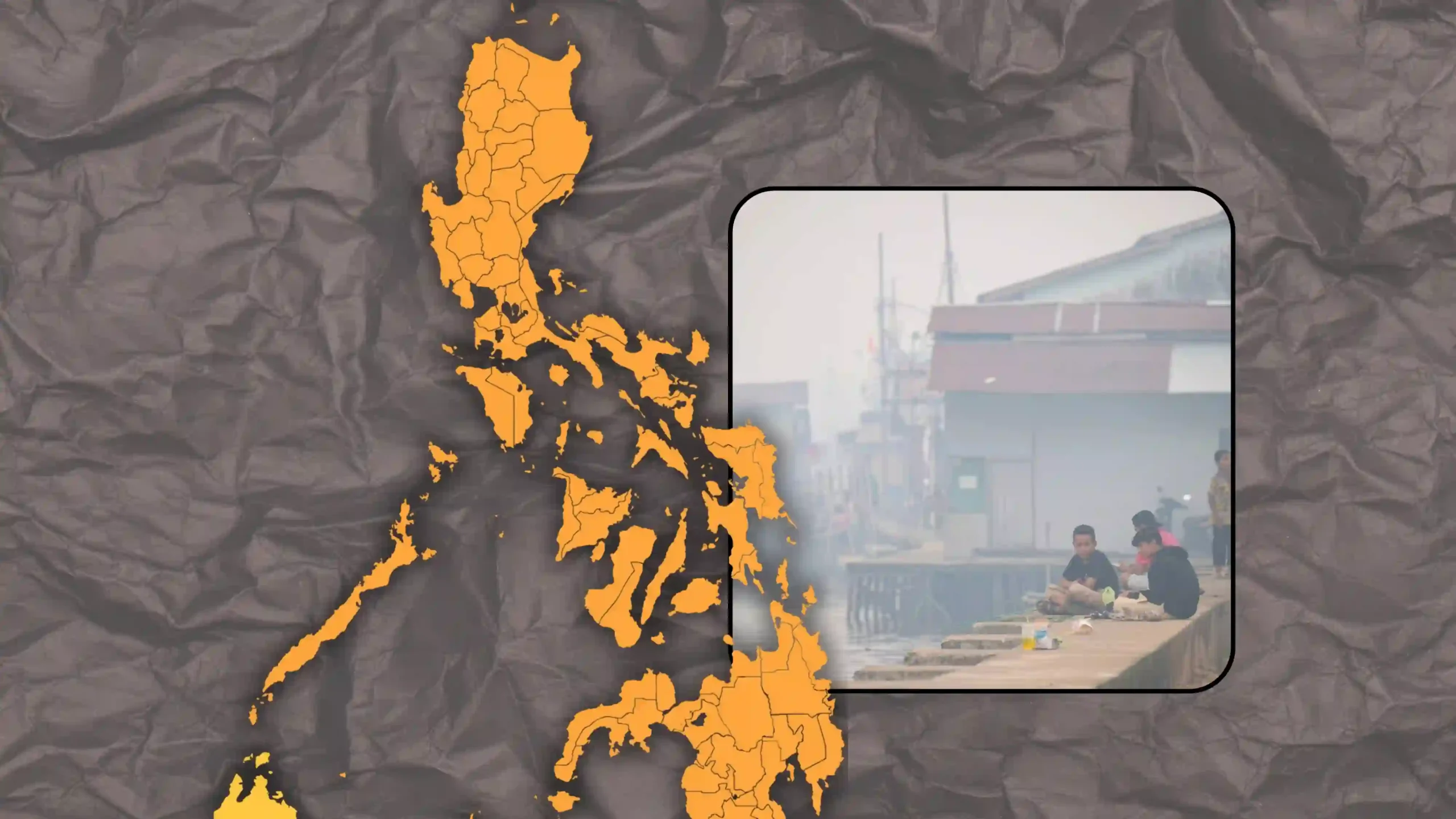
The smoke has been carried across Southeast Asia by prevailing winds, reaching parts of the Philippines. Recent air-quality monitoring showed unhealthy conditions in some areas, particularly in parts of the Visayas.
The current haze is largely associated with ongoing forest and peatland fires in Indonesia, particularly in areas of Kalimantan.
Reports said the region has been experiencing prolonged dry conditions, which have contributed to the spread of fires and the accumulation of smoke. The haze has also affected other parts of Southeast Asia.
According to recent reports, winds have been carrying smoke from Indonesia toward parts of Malaysia, Singapore and the Philippines.
In Metro Cebu, the Environmental Management Bureau recorded a PM2.5 Air Quality Index of 143 at 4 p.m. on September 7, classified as “Unhealthy for Sensitive Groups.” Authorities said changing wind patterns were helping carry smoke toward Central and Eastern Visayas.
Earlier in the haze episode, some areas of Metro Manila also recorded very unhealthy and acutely unhealthy air-quality readings.
However, the latest Philippine Atmospheric, Geophysical and Astronomical Services Administration and air-quality reports indicate that conditions can fluctuate depending on wind direction and other atmospheric factors.
Haze and fine particulate pollution can be more concerning for children, older adults and people with existing respiratory or cardiovascular conditions.
Fine particles such as PM2.5 are small enough to penetrate deep into the respiratory system. Exposure to elevated levels may cause irritation and worsen breathing problems.
Residents in areas experiencing visible haze are therefore encouraged to monitor local air-quality readings and limit unnecessary outdoor exposure when pollution levels are elevated.
What to Do During a Haze Alert?
- Limit prolonged or strenuous outdoor activities.
- Stay indoors when air quality is unhealthy.
- Keep doors and windows closed when outdoor air quality is poor.
- Wear a well-fitting mask when going outside.
- Monitor official air-quality advisories.
- Seek medical attention if experiencing serious difficulty breathing or other concerning symptoms.
The Office of Civil Defense previously urged people in haze-affected areas to stay indoors as much as possible and take precautions while the haze persists.
The situation can change depending on wind direction, rainfall and the intensity of fires in Indonesia.
Residents are encouraged to follow updates from the Department of Environment and Natural Resources–Environmental Management Bureau, PAGASA, local government units and other official agencies.